
Describe the property
Send the location, symptoms, equipment and access details. State whether the work is a repair, replacement or planned project.
Need plumbing help in Glencoe? Tell us about the leak, blocked drain, fixture or water heater. A responding provider will confirm coverage and availability before booking.
Get A Free QuoteCompare tank and tankless capacity, fuel, venting, and clearances against the household’s simultaneous hot-water use and the property’s existing connections.
View scopeIdentify affected fixtures and line access, then compare clearing equipment for fixture branches, long main runs, septic connections, and possible camera inspection.
View scopeCompare targeted repairs with whole-system PEX or copper replacement, including routing, water shutoffs, pressure testing, and finish restoration.
View scopePlan toilet, laundry sink, frost-free hose bib, or bathroom work around measurements, existing connections, drainage, slope, and finished-wall requirements.
View scopeUse pump cycles, meter readings, and pipe routes to plan sectional pressure testing or acoustic tracing, especially for supply lines to outbuildings.
View scopeCompare basin and pump capacity, discharge routing, battery backup, and backwater valve suitability against the property’s drainage layout and power needs.
View scopeUse water test results and household demand to compare hardness or iron treatment, filtration stages, system capacity, and regeneration requirements.
View scopeWater treatment equipment should be selected from test results, not from a neighbour’s system or a stain alone. For a property in Glencoe, arrange appropriate testing and share any concerns such as scale, staining, or odour, along with household water use. If the source is a private well, ask which results indicate a softener, iron treatment, or other filtration stage. Capacity, regeneration settings, and maintenance depend on both water chemistry and demand.
Compare tank and tankless capacity, fuel, venting, and clearances against the household’s simultaneous hot-water use and the property’s existing connections. Identify affected fixtures and line access, then compare clearing equipment for fixture branches, long main runs, septic connections, and possible camera inspection. Compare targeted repairs with whole-system PEX or copper replacement, including routing, water shutoffs, pressure testing, and finish restoration.
Plan toilet, laundry sink, frost-free hose bib, or bathroom work around measurements, existing connections, drainage, slope, and finished-wall requirements. Use pump cycles, meter readings, and pipe routes to plan sectional pressure testing or acoustic tracing, especially for supply lines to outbuildings.
Compare basin and pump capacity, discharge routing, battery backup, and backwater valve suitability against the property’s drainage layout and power needs. Use water test results and household demand to compare hardness or iron treatment, filtration stages, system capacity, and regeneration requirements.
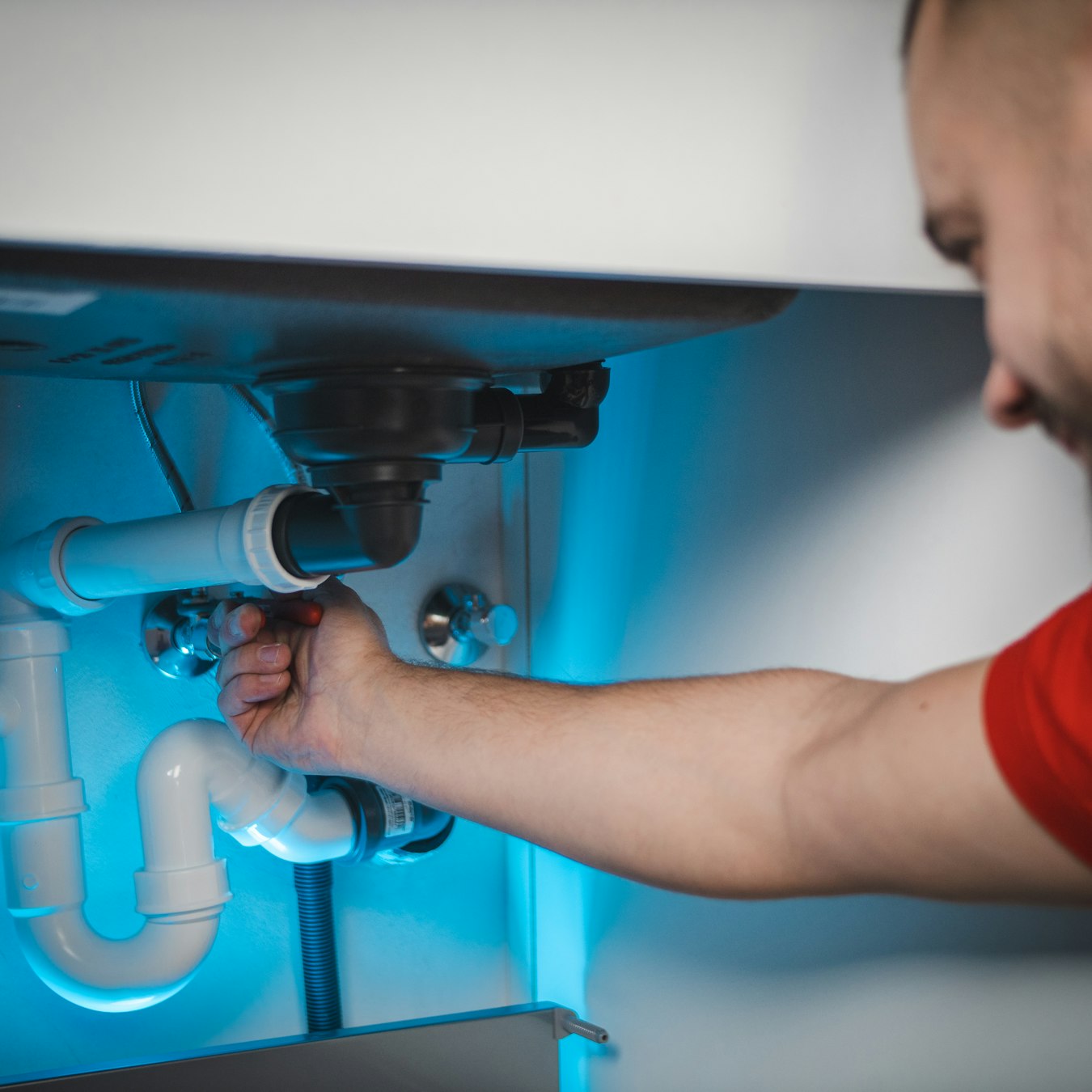
A recurring blockage can come from a fixture branch, a building drain, or a longer line leading toward a septic tank or sewer connection. For a drain-cleaning job in Glencoe, note which fixtures are affected, how often the problem returns, and whether floor drains back up during laundry use. If the line is long, has roots, or serves a septic system, ask which clearing equipment is appropriate and whether camera inspection can help identify the cause.
Explore this serviceSend the location, symptoms, equipment and access details. State whether the work is a repair, replacement or planned project.
The request is reviewed so the responding provider can clarify the work, property access and service coverage.
Agree the provider identity, qualifications, written scope, pricing and visit window directly. Sending a form does not confirm an appointment.
Clarify where the building drain ends and the septic system begins before comparing proposals. Clearing or repairing a building drain is different from work on a septic bed, which may require a septic contractor. If the blockage appears beyond the building line, ask what evidence supports that conclusion and who is qualified to assess the next section.
If a supply line crosses a yard to a barn, outbuilding, or cistern, show its known route and connection points. Ask how that run will be distinguished from the house system and whether acoustic tracing is suitable for the pipe and site. Separate testing can change the search area and help avoid unnecessary excavation.
List the fixtures that commonly run together and note heavy laundry or other recurring demand. This gives a more useful basis for comparing tank capacity or tankless output than household size alone. If a well supplies the home, include pressure-system details in the assessment because they can affect the installation plan.
List the household’s essential water needs and any workday constraints before scheduling a repipe. Ask which areas must be opened, how the work will be staged, and when water is expected to be unavailable. The answers affect sequencing, access preparation, and whether temporary arrangements or additional restoration belong in the project scope.
For a deep laundry tub or drain-board arrangement, measure the basin, work area, and connection locations. Ask whether the existing drain and supply can serve the proposed setup and whether the flow is suitable for the intended use. Those checks help establish whether the work is a fixture swap or requires changes to plumbing connections.
Use the form to describe the property, the symptoms and the work requested. For Bothwell, Wardsville, Newbury, Mount Brydges, include your postal code so local coverage can be checked.
If your location is not listed, include its postal code with the requested work. Coverage, travel arrangements and scheduling must be confirmed directly with the provider.